
beatle
Well-Known Member
- Joined
- Jan 13, 2026
- Threads
- 2
- Messages
- 219
- Reaction score
- 400
- Location
- Springfield, VA
- Vehicles
- '23 R1T, '97/25 Miatas, '19 Monkey
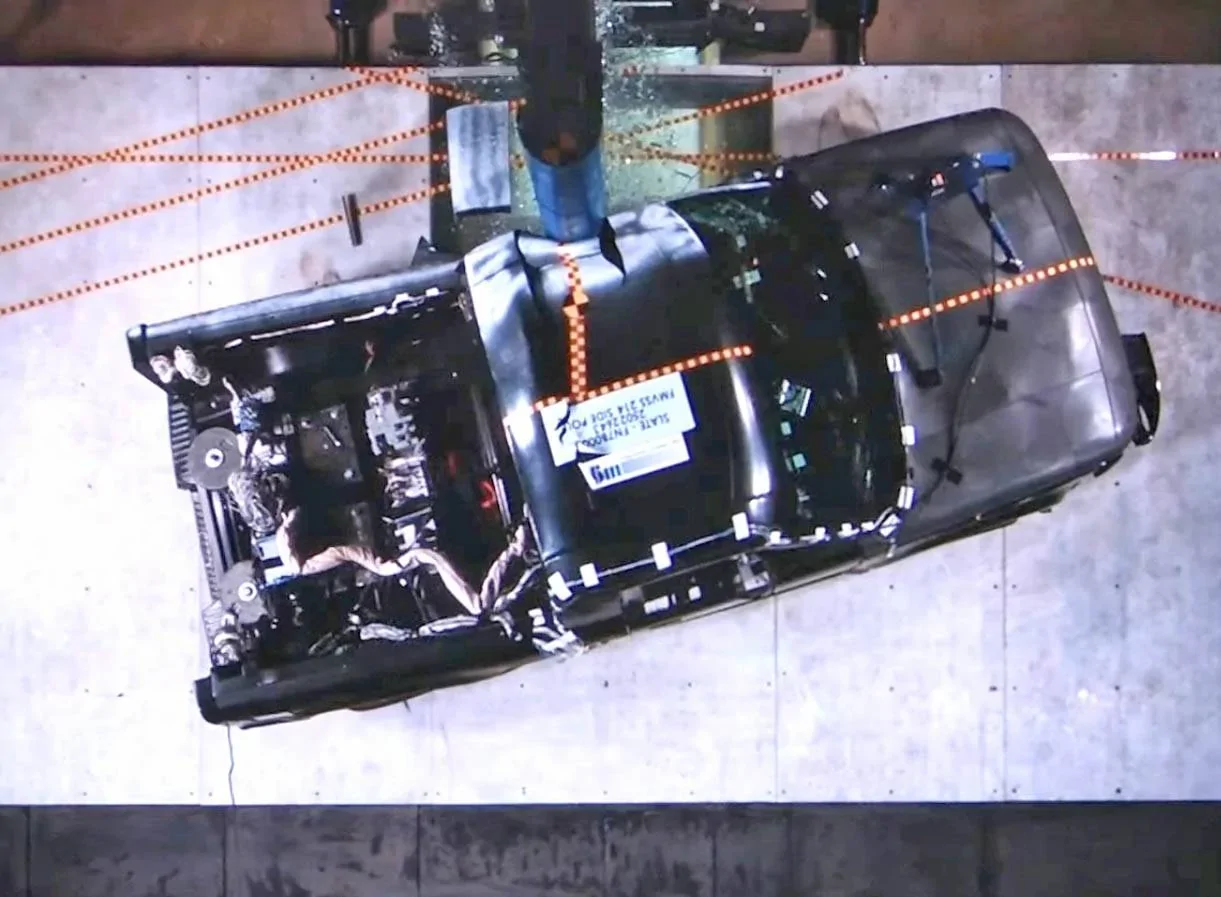
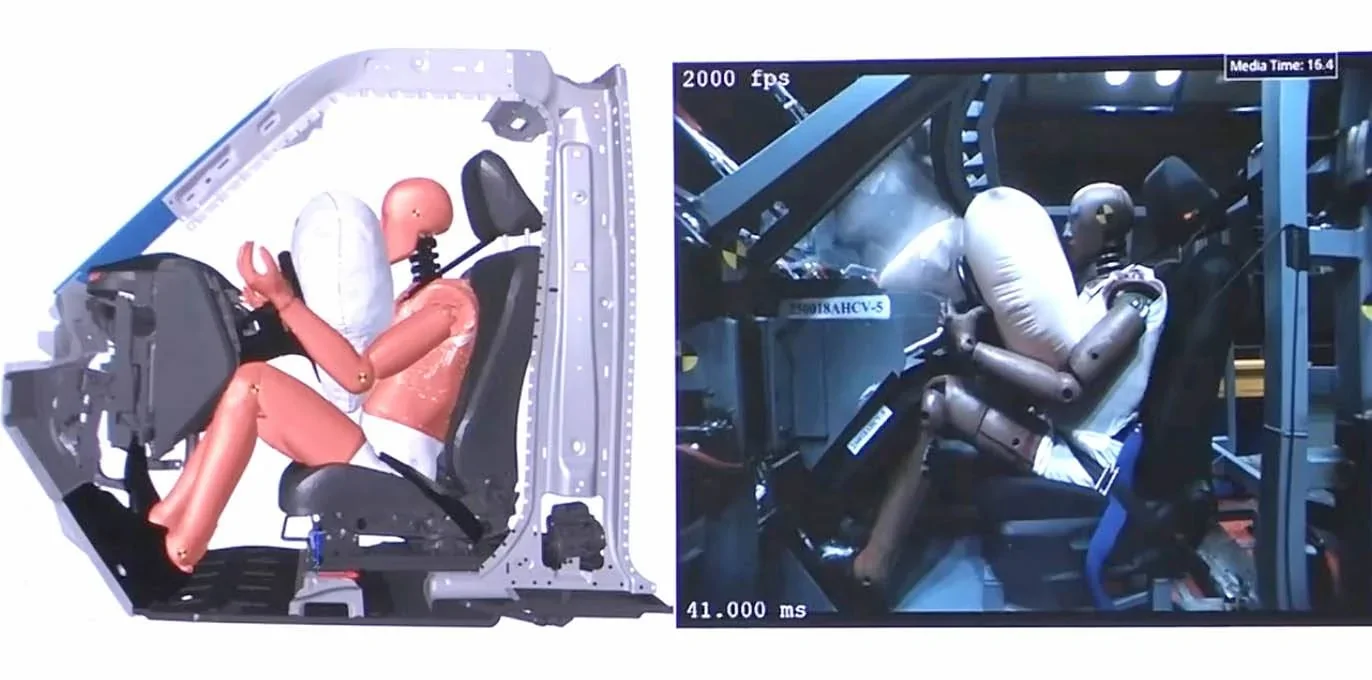
Compute FEA can reduce the number of times you need to "re-crash" a vehicle, but it doesn't eliminate it entirely for passenger cars. Manufacturers already crash way fewer vehicles now than they used to thanks to FEA. Cars are also much, much safer now and can be built to much tighter tolerances to get the job done.
There are indeed FEA "exceptions" for heavy machinery and buses that can be prohibitively expensive and dangerous to crash. But really, crashing a few Mavericks isn't what's stopping Ford from making more variations anyway. Engineering costs are overwhelmingly more expensive in the total R&D costs for a vehicle. We're talking crashing being low single digits as a percentage of the total.
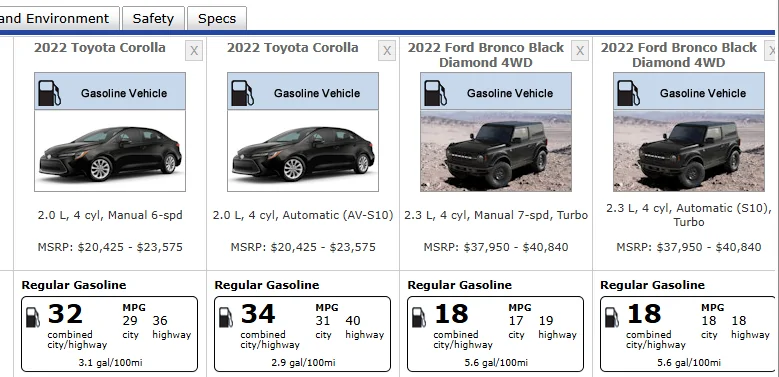
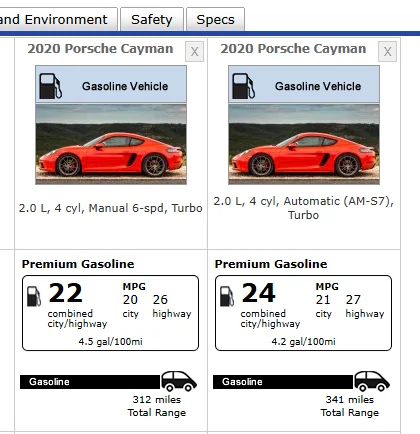
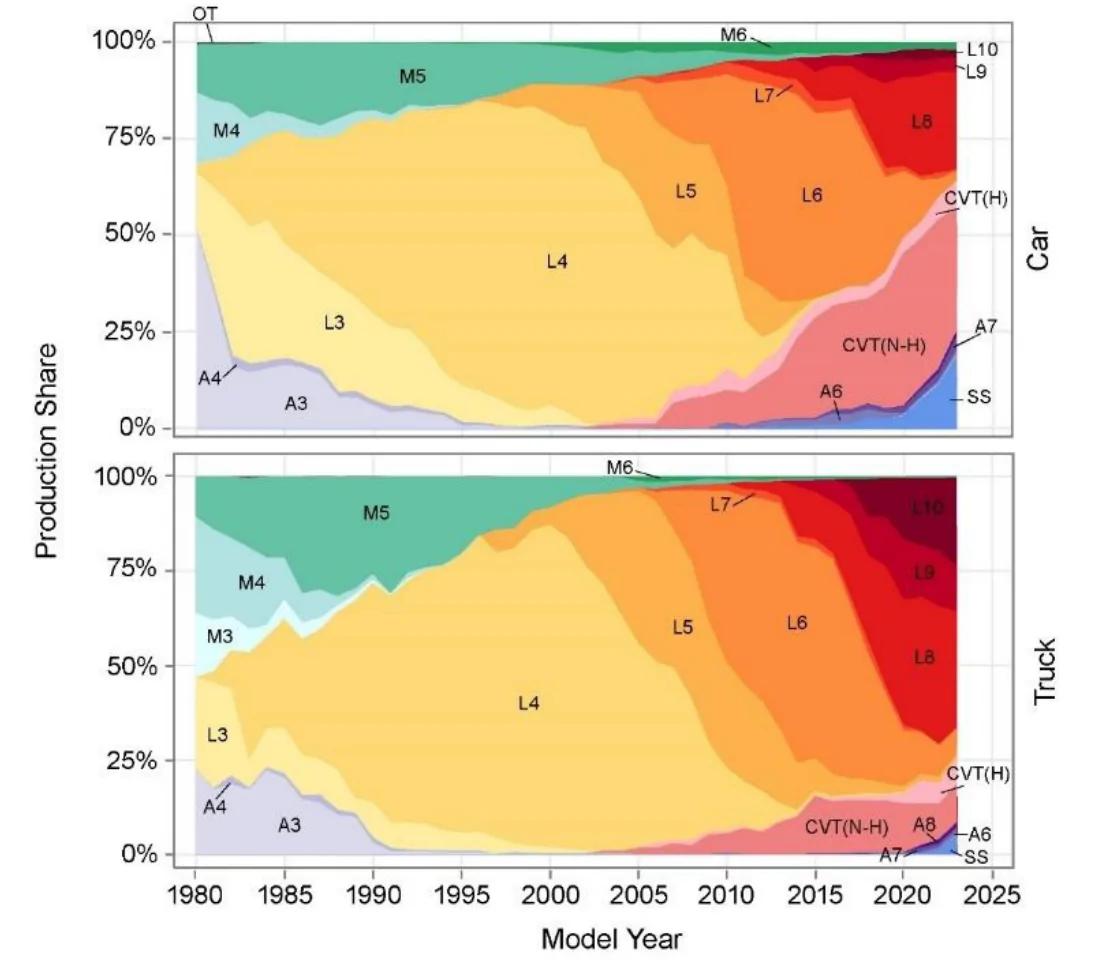
Manuals aren't dead because they need to be retested. They would otherwise mostly inherit the certification of the heavier automatic test and not need to be "re-crashed." They are less efficient than automatics, and increasingly stringent emissions and mpg requirements mean they no longer pass muster. Watch how quickly an automatic cycles through the gears to get to the one that pollutes the least and consumes the least amount of fuel. I drove a new Supra a few years ago with the ZF8 and the stock shifting behavior made it seem like the car wanted to constantly lug its engine. It was ridiculous. With a manual, you're more likely to rev it out a bit more which contributes to worse mpg and emissions, not to mention that you also now have fewer ratios. with a manual - sometimes a lot fewer. Of course rowing your own is way more fun though.
AEB and ADAS systems are also more difficult to calibrate with a manual. In some cases the manual version doesn't even get ADAS. My 6 speed 2025 Miata, for example, doesn't get radar cruise control, but if I had gotten the automatic, I'd have radar CC.
There are indeed FEA "exceptions" for heavy machinery and buses that can be prohibitively expensive and dangerous to crash. But really, crashing a few Mavericks isn't what's stopping Ford from making more variations anyway. Engineering costs are overwhelmingly more expensive in the total R&D costs for a vehicle. We're talking crashing being low single digits as a percentage of the total.
Manuals aren't dead because they need to be retested. They would otherwise mostly inherit the certification of the heavier automatic test and not need to be "re-crashed." They are less efficient than automatics, and increasingly stringent emissions and mpg requirements mean they no longer pass muster. Watch how quickly an automatic cycles through the gears to get to the one that pollutes the least and consumes the least amount of fuel. I drove a new Supra a few years ago with the ZF8 and the stock shifting behavior made it seem like the car wanted to constantly lug its engine. It was ridiculous. With a manual, you're more likely to rev it out a bit more which contributes to worse mpg and emissions, not to mention that you also now have fewer ratios. with a manual - sometimes a lot fewer. Of course rowing your own is way more fun though.
AEB and ADAS systems are also more difficult to calibrate with a manual. In some cases the manual version doesn't even get ADAS. My 6 speed 2025 Miata, for example, doesn't get radar cruise control, but if I had gotten the automatic, I'd have radar CC.