
cadblu
Well-Known Member
- Thread starter
- #1
Chinese Automaker GAC has announced a subscription model for its new midsize EV AION starting around $13,000

Digital Trends Article - Battery Subscription Model
Summary: While the rest of the world is arguing about charging times, a Chinese automaker has just launched an electric sedan that lets you swap its entire battery pack faster than most people make a decent cup of coffee.
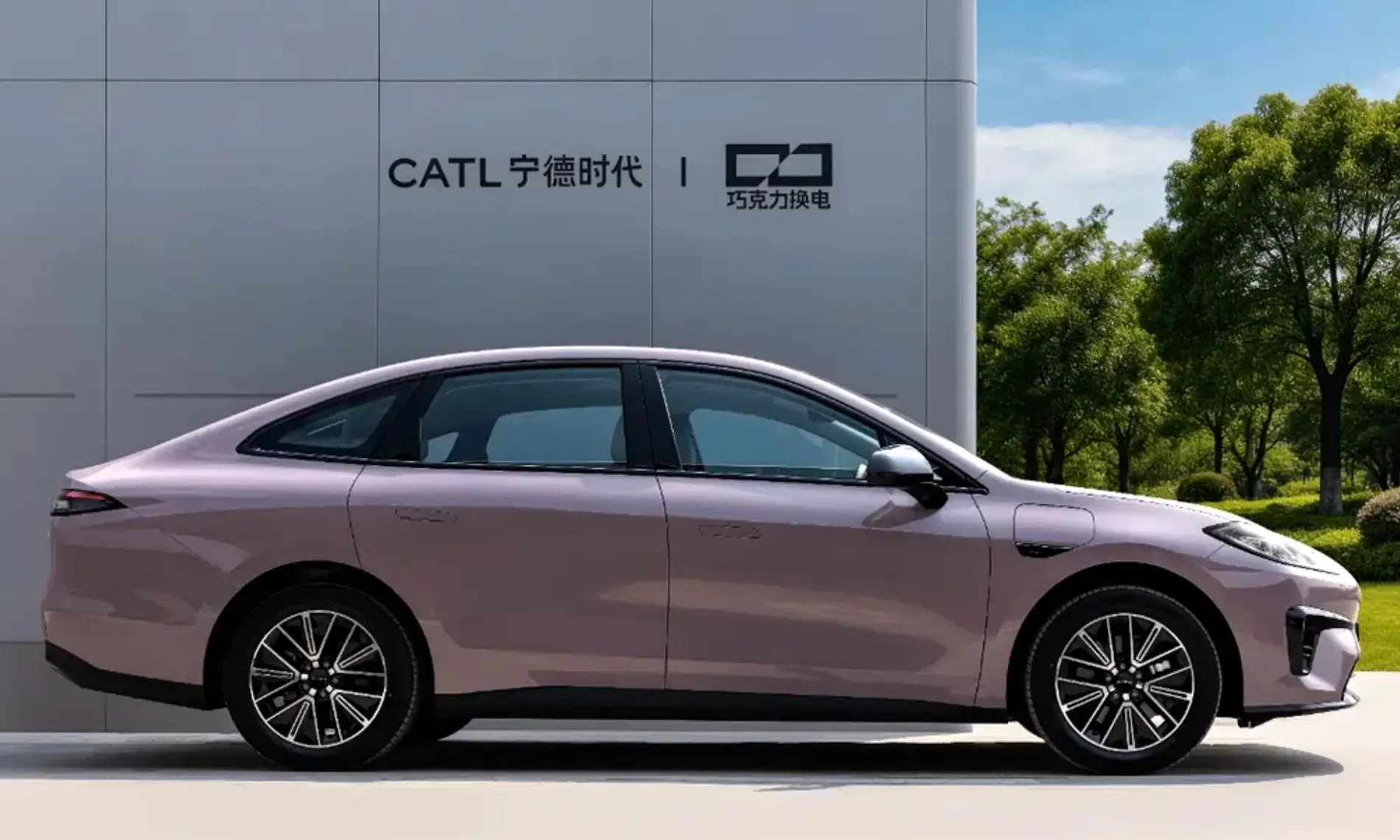
GAC Aion officially unveiled the RT Super on April 8, 2026, a mid-size sedan with an entry price of roughly $13,000, as part of the company’s battery rental or subscription scheme. In other words, buyers pay for the car body upfront while leasing the battery separately for around $58 per month.
How does RT Super’s battery subscription model work?
Although it may sound unusual at first, a subscription model for batteries (also called battery-as-a-service) is growing quite popular in China’s EV market (and in the nascent yet expanding Indian EV market, too). The pricing model essentially separates the battery from the upfront price, making EVs more accessible to a wider audience.
Anyways, coming back to the RT Super, it carries a 54 kWh CATL battery pack, which claims to deliver a range of around 314 miles on a single charge. Furthermore, it can accelerate from 0 to 100 60 mph in around 7.5 seconds, all thanks to the powerful 150 kW motor.
For those who’d rather plug in the sedan than swap batteries, fast charging takes the battery from 30% to 80% in around 26 minutes. For everyone else, GAC Aion is betting on the car’s battery-swapping ability.
Can 99 seconds actually replace a trip to the EV charging station?
Using CATL’s Choco-SEB battery swap platform, buyers should be able to replace a depleted battery pack for a fully charged one in under 100 seconds. Even if that time extends to two or three minutes, it would still be much, much faster than the time EVs take for a complete recharge.
In addition, CATL’s expanding Choco swap network is targeting over 3,000 stations across 140+ cities by the end of 2026; the long-term goal is 30,000 stations. Instead of focusing on ultra-fast charging, the automaker is betting on swappable batteries as a viable alternative, and it sounds quite promising to me.
Inside, buyers get a 14.6-inch central display, Huawei HiCar 4.0 connectivity, dual-zone climate control, and a lifetime powertrain warranty. If the EV performs well in one of the largest EV markets in the world, it could help frame battery swapping as a mainstream refueling model for EVs.
Digital Trends Article - Battery Subscription Model
Summary: While the rest of the world is arguing about charging times, a Chinese automaker has just launched an electric sedan that lets you swap its entire battery pack faster than most people make a decent cup of coffee.
GAC Aion officially unveiled the RT Super on April 8, 2026, a mid-size sedan with an entry price of roughly $13,000, as part of the company’s battery rental or subscription scheme. In other words, buyers pay for the car body upfront while leasing the battery separately for around $58 per month.
How does RT Super’s battery subscription model work?
Although it may sound unusual at first, a subscription model for batteries (also called battery-as-a-service) is growing quite popular in China’s EV market (and in the nascent yet expanding Indian EV market, too). The pricing model essentially separates the battery from the upfront price, making EVs more accessible to a wider audience.
Anyways, coming back to the RT Super, it carries a 54 kWh CATL battery pack, which claims to deliver a range of around 314 miles on a single charge. Furthermore, it can accelerate from 0 to 100 60 mph in around 7.5 seconds, all thanks to the powerful 150 kW motor.
For those who’d rather plug in the sedan than swap batteries, fast charging takes the battery from 30% to 80% in around 26 minutes. For everyone else, GAC Aion is betting on the car’s battery-swapping ability.
Can 99 seconds actually replace a trip to the EV charging station?
Using CATL’s Choco-SEB battery swap platform, buyers should be able to replace a depleted battery pack for a fully charged one in under 100 seconds. Even if that time extends to two or three minutes, it would still be much, much faster than the time EVs take for a complete recharge.
In addition, CATL’s expanding Choco swap network is targeting over 3,000 stations across 140+ cities by the end of 2026; the long-term goal is 30,000 stations. Instead of focusing on ultra-fast charging, the automaker is betting on swappable batteries as a viable alternative, and it sounds quite promising to me.
Inside, buyers get a 14.6-inch central display, Huawei HiCar 4.0 connectivity, dual-zone climate control, and a lifetime powertrain warranty. If the EV performs well in one of the largest EV markets in the world, it could help frame battery swapping as a mainstream refueling model for EVs.