
E90400K
Well-Known Member
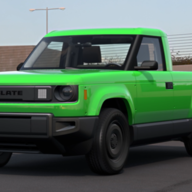
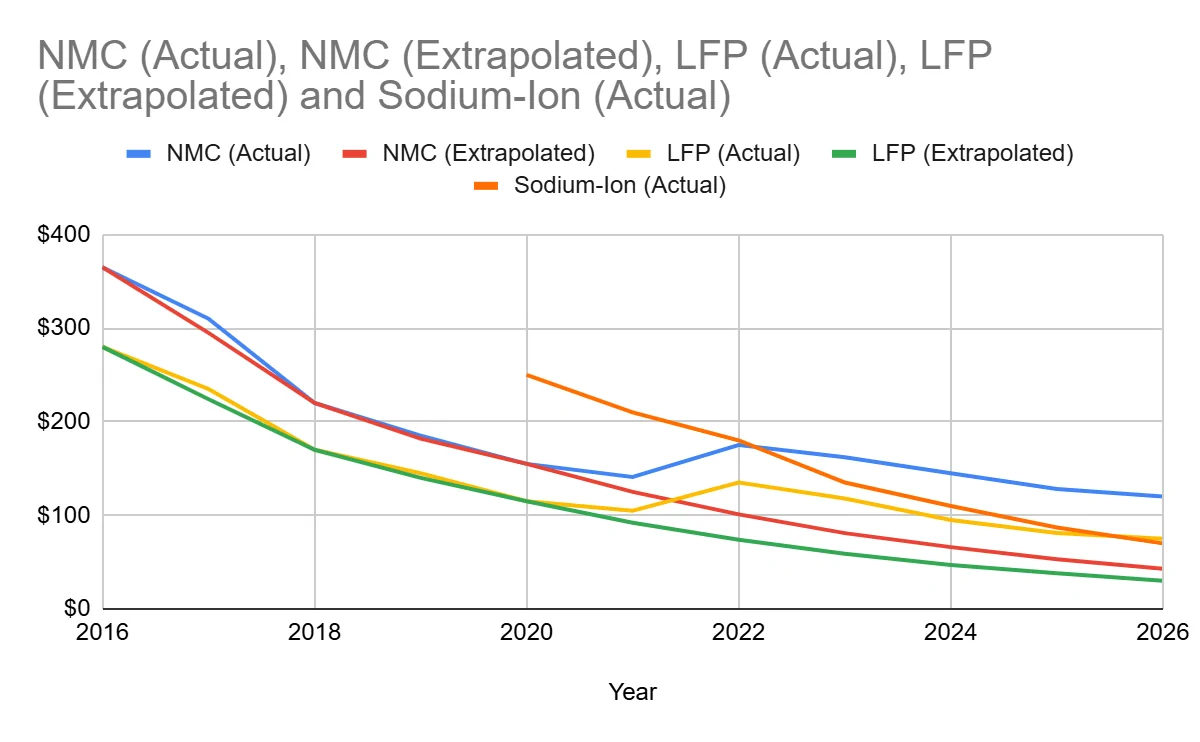
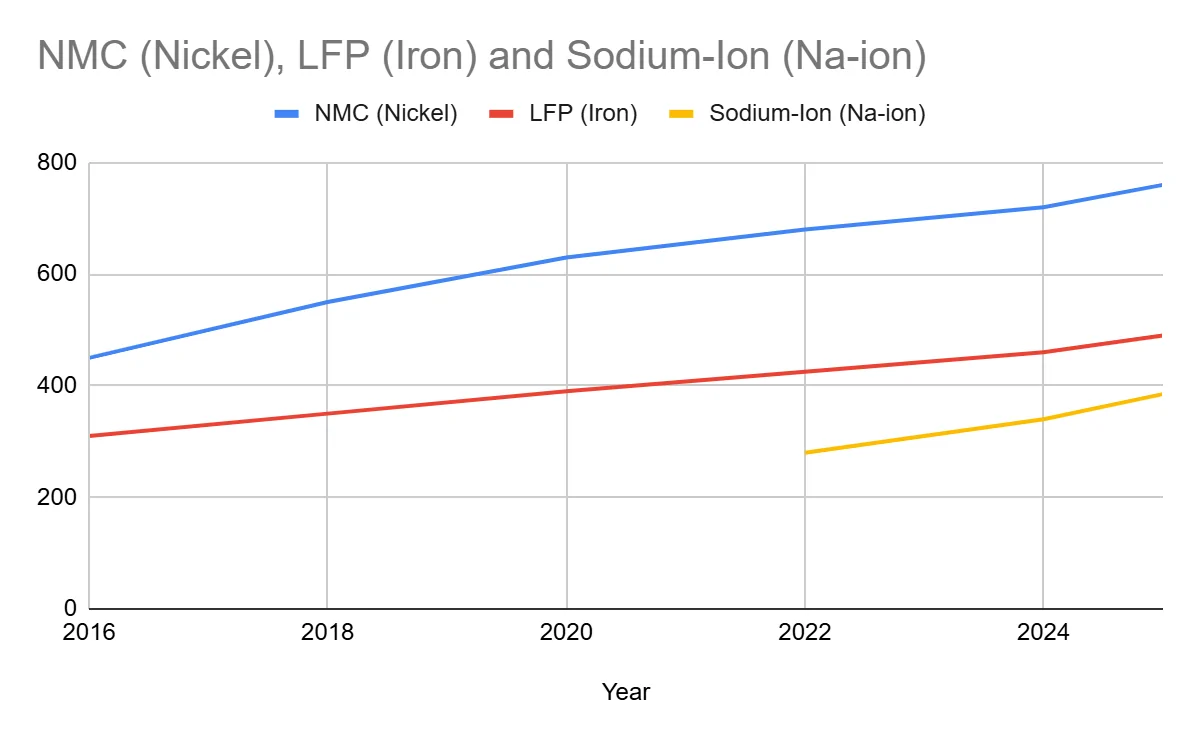
The bolded text is where your economic theory fails. I do not think EV can be profitably manufactured at competitive prices (vs. ICEV) because the battery cost is too high. Look what Slate has to do to try and be on par with ICEV. They have to go into a market segment that really doesn't exist, and strip their Truck of nearly all amenities, including paint, to build it under a single model/trim single-color form. And they have to use a service network where they have no control over the quality and cost of the service/warranty repair work. Worst, they think they will rely on owners to perform DIY warranty repair?This video has a more detailed explanation:
Three years ago, the global auto industry was gripped by a collective hallucination. CEOs promised us that the internal combustion engine would be dead by 2035 and that legacy automakers were just one battery factory away from a trillion-dollar valuation.That narrative has now collided with economic reality.In this video, we analyze the collapse of the "inevitability" narrative. We look at why Ford has been forced to take a staggering $19.5 billion write-down, why the European Union is quietly dismantling its own petrol ban, and why—despite billions in subsidies—automakers are still losing $6,000 on every electric vehicle they sell.We examine how the industry confused a political project with consumer demand, leading to a market where the cars are too expensive for the middle class and too unprofitable for the manufacturers.
It was posted in December, before GM announced their second write-down in January.
Eventually car makers will make economical EVs people actually want to buy.
Slate Auto is ahead of the curve.
Maybe it works for 150,000 unit sales early on, but how about for 10 years or 20 years? Hopefully it works.
Last edited: