
It looks like SLATE has pathetic EV efficiency. (and a rant).

Luxrage

Well-Known Member
Joined
Apr 28, 2025
Threads
4
Messages
418
Reaction score
570
Location
Sherman, TX
Vehicles
1993 Geo Tracker, 1989 Ford Country Squire, 2007 Honda Element, 2011 Honda Fit
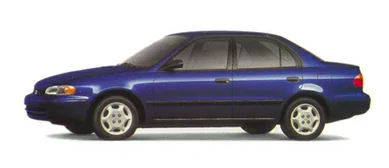
0.30:
1998_Prizm.webp

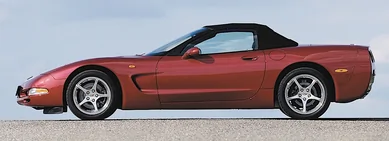
0.32:
1998_Vettte_Vertible.webp
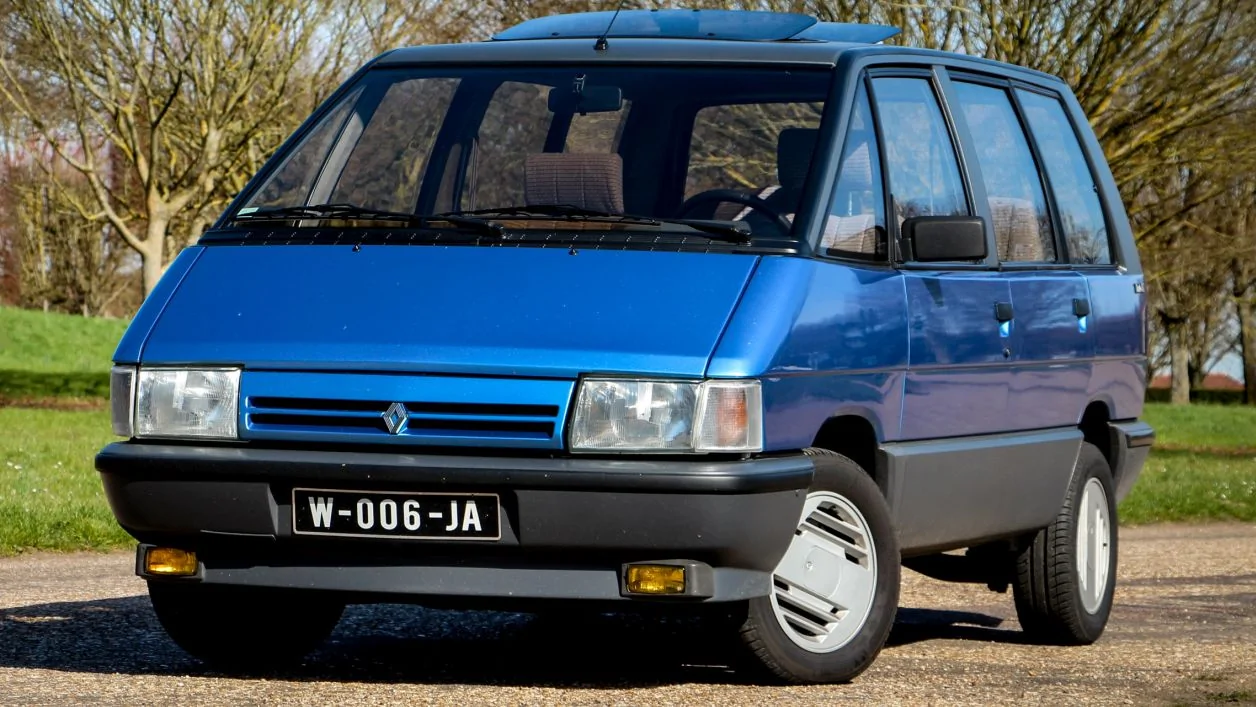
The 1988 facelift of the Renault Espace was championed by the press at the time for reducing the drag to .32. Touches like the flush mount side windows and low profile door handles do for drag reduction.


Slate Auto Pickup Truck It looks like SLATE has pathetic EV efficiency. (and a rant). 1764725919952-gj


Edit: As a benchmark for the slate, according to a hyper-miler website I was looking at, a 2001 ranger has a Cd of .49

 

atebit

New Member
Joined
Sep 15, 2025
Threads
0
Messages
3
Reaction score
3
Location
PA
Vehicles
R1T
mi/kwh is highly variable based on driving style, up/down elevation, weather, etc. Any “expected” quoted value would be at best highly subjective IMHO.
 
OP
OP

zipn

Well-Known Member
Joined
Apr 30, 2025
Threads
6
Messages
130
Reaction score
211
Location
memphsi, tn
Vehicles
25 ford maverick hybrid awd, 91 mazda miata
mi/kwh is highly variable based on driving style, up/down elevation, weather, etc. Any “expected” quoted value would be at best highly subjective IMHO.
I disagree to the same extent the conventional MPG ratings on a vehicle sticker is variable. it all depends on the testing. If EVs had a standardized test routine that all followed similar to the EPA's MPG, then they could be equally compared.

What's more variable is the range and also charge time as any measure of efficiency. It relates to the electronics and the battery size, but not in any way a measure of the ability to go a few miles on a single kWh. Sadly, those are the metrics manufacturers love to shout about.

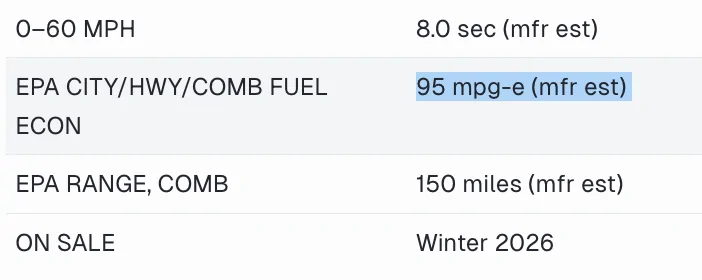
Until there's a standardized miles/kWh test routine, the best I think we can do it take the manufacturer's max advertised range / advertised battery size and see how it compares to other makes and modes using the same formula. The Slate's smaller battery is rated 52.7 kWh with an expected range of 150 miles. 150 miles / 52.7 ... That's the same as ~2.8 miles/kWh.

Using that simple equation, as I originally posted, I think the SLATE should o be better considering its smallish size and supposedly lighter weight with the smaller battery option . I acknowledge that trucks aren't the most aerodynamic designs, but EVs have been improving year over year yet the brand new SLATE falls on the crappy side of miles/kWh. SLATE should do better.
 
Last edited:
 
Top